Spoken source material
Your Best Book May Already Be Recorded
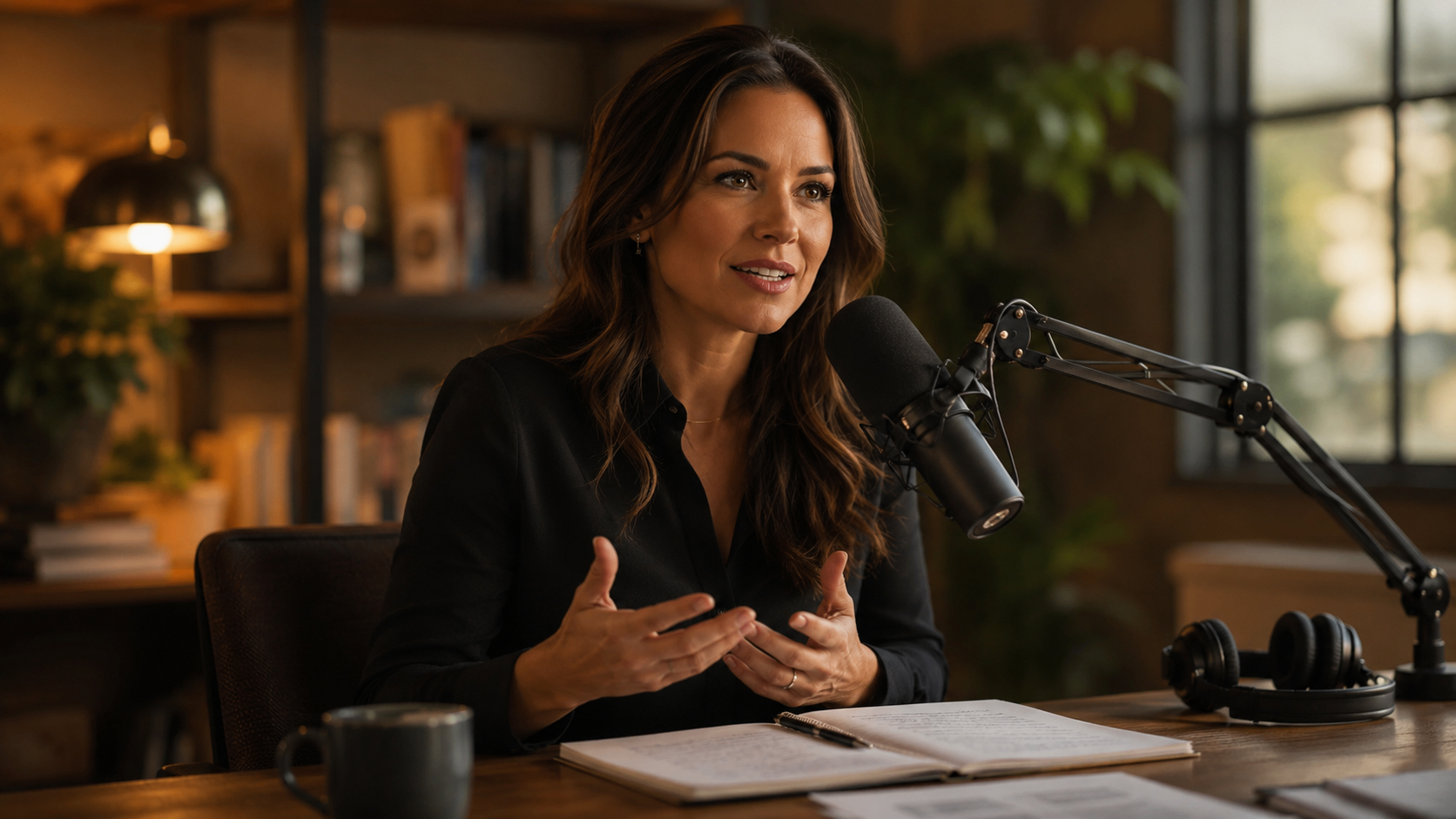
You may be much closer to writing a book than you think.
Ready to try it? Follow the step-by-step guide to turning your recordings into chapters.
Read the how-to guidePublish a public podcast? The free podcast-to-book tool reads your public RSS feed and shows the strongest book angle, your recurring themes and the episodes to start with. It does not listen to episodes or process private recordings.
Try the free podcast toolPerhaps you have recorded three years of podcast episodes. Delivered the same keynote to audiences around the world. Taught a course refined over dozens of lectures. Preached sermons that helped people through defining moments. Interviewed founders, experts or community leaders. Or simply accumulated hours of thoughtful conversations about the subject you know best.
Those recordings are not yet a book.
But they may already contain the stories, arguments, lessons and distinctive voice from which a very good book can be made.
For some people, starting with recordings is not merely an easier way to write. It can reveal a stronger book than they would ever have created from a blank page.
You have already done much of the hardest work
The hardest part of writing is rarely typing. It is having something worth saying.
When you record a podcast, teach a class, preach a sermon or deliver a talk, you are already doing important intellectual and creative work:
- choosing ideas that matter;
- explaining difficult subjects;
- testing stories with an audience;
- answering real questions;
- refining your language;
- discovering which examples people remember;
- developing a recognisable voice.
A podcaster with 100 episodes may already have hundreds of stories, observations and frameworks. A lecturer may have spent years improving the order in which ideas are explained. A preacher may have returned to the same enduring themes from different moments in the life of a community. A founder may have told the story of building, failing, adapting and trying again across dozens of interviews.
The raw material exists. What is often missing is the time, confidence or editorial structure needed to turn it into a book.
A book can reach people your recordings never will
Audio is powerful, personal and immediate. But not everybody listens to podcasts, attends conferences, joins courses or hears a particular sermon.
A book travels differently. It can be:
- discovered through search;
- recommended by one reader to another;
- kept on a desk;
- quoted in an article;
- given to a client;
- used in a classroom;
- shared with a congregation;
- sent to a prospective employer;
- passed to the next generation.
A listener may enjoy an episode and move on. A reader may underline a page, return to it five years later and give the book to somebody else.
Turning spoken work into a book does not replace the original audience. It gives the ideas another route into the world.
A book can transform your authority
A podcast can establish familiarity. A talk can demonstrate expertise. A book can bring those ideas together into a coherent body of work.
That matters particularly for:
- founders and business leaders;
- consultants and coaches;
- academics and teachers;
- campaigners and public thinkers;
- ministers and faith leaders;
- historians and interviewers;
- specialists trying to make their expertise accessible.
An archive of individual episodes says:
Here are many things I have discussed.
A well-designed book says:
Here is what I believe, what I have learned and how the ideas fit together.
That shift can change how an audience understands the author. Instead of being known for a stream of content, you can become known for a clear argument, method, story or philosophy.
Your archive may contain a book you did not know you had
Most people assume they must decide on a book idea first and then create all the material. Recordings allow the reverse.
Across dozens of episodes, talks or interviews, patterns begin to appear:
- stories you return to;
- questions audiences repeatedly ask;
- beliefs that have become more precise;
- lessons learned through experience;
- tensions between earlier and later views;
- apparently separate topics that really belong together;
- one idea with far more depth than you realised.
The resulting book may not be "the podcast in print." It could become:
- a leadership book;
- a memoir;
- a practical guide;
- a collection of case studies;
- a teaching book;
- a history;
- a devotional;
- an argument about the future of an industry;
- a synthesis of what many interviewees have taught you.
Spoken material is the source, not the genre. The right book emerges from what the recordings contain and what a future reader most needs.
The best examples did far more than publish transcripts
Some remarkable books began with spoken material. Their success shows both the opportunity and the importance of proper transformation.
John Green expanded a podcast into something made for readers

John Green describes The Anthropocene Reviewed as a collection of essays "adapted and expanded" from his podcast. Those words matter. The book did not simply place transcripts between covers. It developed the material into a reading experience with its own emotional and literary life.
Read more about The Anthropocene Reviewed
The 99% Invisible City found a new shape for an existing archive
The team behind 99% Invisible transformed years of stories about design and the built environment into a field guide, with a print-specific concept, visual structure and organising logic rather than reproducing the programme episode by episode. The archive supplied the material. The editorial idea turned it into a book.
Explore The 99% Invisible City
Tim Ferriss looked across nearly 200 interviews
When creating Tools of Titans, Tim Ferriss reviewed lessons from nearly 200 high-performing people he had interviewed. The value was not one interview becoming one chapter. It was the ability to compare many conversations, identify recurring practices and organise them around what would be most useful to readers.
Guy Raz turned founder interviews into transferable lessons
How I Built This draws on interviews from the podcast, but the book's real value lies in distillation. The conversations become evidence for broader lessons about nurturing ideas, securing support, surviving setbacks and building organisations.
C. S. Lewis turned broadcasts into an enduring book
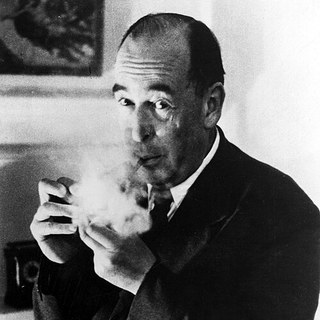
Mere Christianity developed from BBC radio talks delivered during the Second World War. The broadcasts reached their original listeners at a particular historical moment. The book allowed those ideas to travel across countries and generations long after the programmes ended.
Richard Feynman's lectures became a lasting educational work
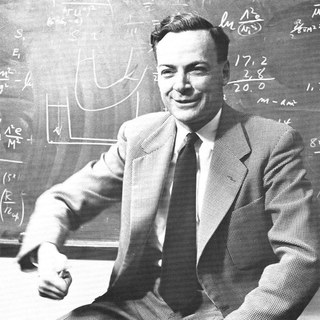
Recordings of Richard Feynman's introductory physics lectures became the foundation for The Feynman Lectures on Physics. A live lecture is temporary. Properly preserved and transformed, teaching can become a resource used by learners far beyond the original classroom.
Explore The Feynman Lectures on Physics
Martin Luther King Jr.'s sermons show why transformation requires care
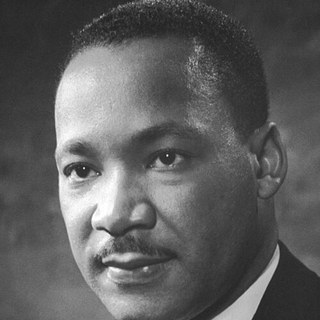
Strength to Love was deliberately assembled from sermons rather than produced as an untouched record of weekly preaching. Martin Luther King Jr. understood the difference between spoken and written forms:
"A sermon is not an essay to be read but a discourse to be heard."
That is precisely why valuable spoken work cannot simply be copied onto a page. The meaning must be preserved while the presentation is redesigned for a reader.
Your natural voice is already in the material
Many authors struggle because their written voice feels stiff or unlike them. Recordings contain something valuable that a blank document does not: the way you naturally communicate.
They reveal:
- your rhythm;
- your humour;
- the words you favour;
- how you explain complexity;
- where you become passionate;
- how you tell stories;
- how formal or conversational you are;
- the questions you naturally ask.
A good source-to-book process should not flatten that into generic prose. It should help preserve what makes the speaker recognisable while removing repetition, false starts and structures that work in conversation but not on the page.
The aim is not to make every sentence sound spoken. It is to make the book sound genuinely yours.
A book can give temporary content a much longer life
Podcast feeds move on. Events end. Courses are replaced. Links disappear into archives. Yet the thinking behind them may remain valuable.
A book can rescue the strongest material from the chronology of content production. Instead of asking audiences to search through 150 episodes, it can bring the best ideas together in one deliberate journey. Instead of allowing a keynote to disappear after the applause, it can explore the evidence, objections and practical implications that would not fit into 30 minutes. Instead of leaving a lecture dependent on slides and classroom context, it can supply the definitions, examples and explanations a reader needs. Instead of preserving sermons only by date, it can bring together a body of thought around grief, hope, justice, leadership, faith or community.
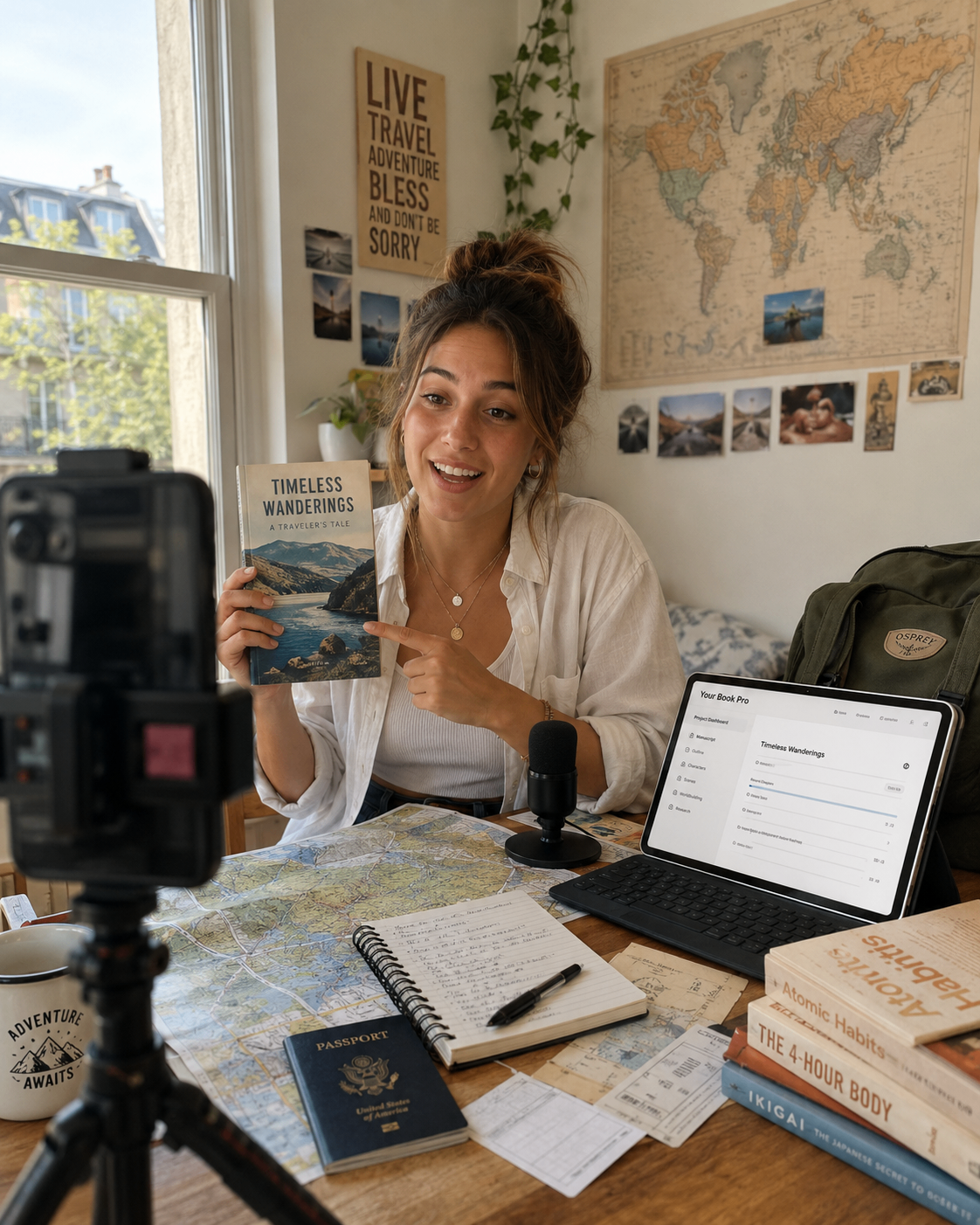
It can create a deeper relationship with your existing audience
An audience that already listens to you is not a reason to avoid writing a book. It is one of the strongest reasons to write one. They already know your voice. They already care about the subject. They may have followed your thinking as it developed.
A book gives them:
- the ideas in a more permanent form;
- a clearer account of how everything connects;
- stories they may have missed;
- new material created specifically for the book;
- something tangible to recommend or give away.
It can also introduce you to readers who later become listeners, clients, students, members or supporters. The relationship can work in both directions.
It is especially valuable for people who think better aloud
Some people do their best thinking through speech. They become clearer when answering a question, teaching another person, telling a story or talking through a difficult idea.
Asking them to begin with 80,000 typed words may put the hardest possible obstacle in front of their strongest ability.
Starting with recordings recognises that writing a book does not have to begin at a keyboard. The raw thinking can happen in the form that suits the author. The editorial work can then turn it into the form that suits the reader.
That makes book creation more accessible to:
- busy leaders;
- reluctant typists;
- people with disabilities;
- people who find blank pages intimidating;
- anyone whose most authentic voice appears when they speak.

But a transcript alone is not the prize
A transcript records what was said. A book decides:
- what matters most;
- who the reader is;
- what promise the book makes;
- which stories belong;
- what should be left out;
- how chapters build on one another;
- where explanation is missing;
- whose words and ideas are being used;
- what must be checked or newly recorded.
The strongest source-derived books preserve three separate things:
- the original source;
- the editorial understanding of it;
- the eventual manuscript.
That separation protects context, attribution and authorial control while allowing the material to be transformed into purposeful prose. That is the difference between publishing your archive and discovering the book hidden inside it.
How Your Book Pro helps
Your Book Pro is designed to treat recordings and imported documents as sources attached to your normal book. It can help you:
- upload recordings or podcast episodes;
- preserve and review their transcripts;
- identify speakers, stories and recurring themes;
- add those discoveries to your book plan;
- compare one source with another;
- find material relevant to a particular chapter;
- generate a proposed passage in your chosen voice;
- review and edit it before anything enters the manuscript;
- keep the original source separate and available.
You remain in control of what becomes part of the book. The technology does not assume that every episode deserves a chapter or that every spoken sentence should survive. It helps uncover the strongest book the material can support.
Want to know how the process works?
This article explains why turning spoken material into a book can be so powerful. Our companion guide explains how to do it: from uploading recordings and reviewing transcripts to discovering themes, shaping chapters and drafting the manuscript.
Your next book may not begin with a blank page
It may begin with an RSS feed. A folder of recorded lectures. A series of interviews. Ten years of sermons. A collection of keynote speeches. Or the voice notes in which you finally explained what you have been trying to say.
You may already have the raw material. The opportunity is to give it shape, permanence and a much larger audience.
What have you already recorded that deserves a longer life - a podcast, a course, a sermon series, interviews or talks?
Share this article with someone whose book may already be waiting in their audio archive.